
The Journey Back to the Moon
Written by Pratyush Joshi ..... 2 January 2024
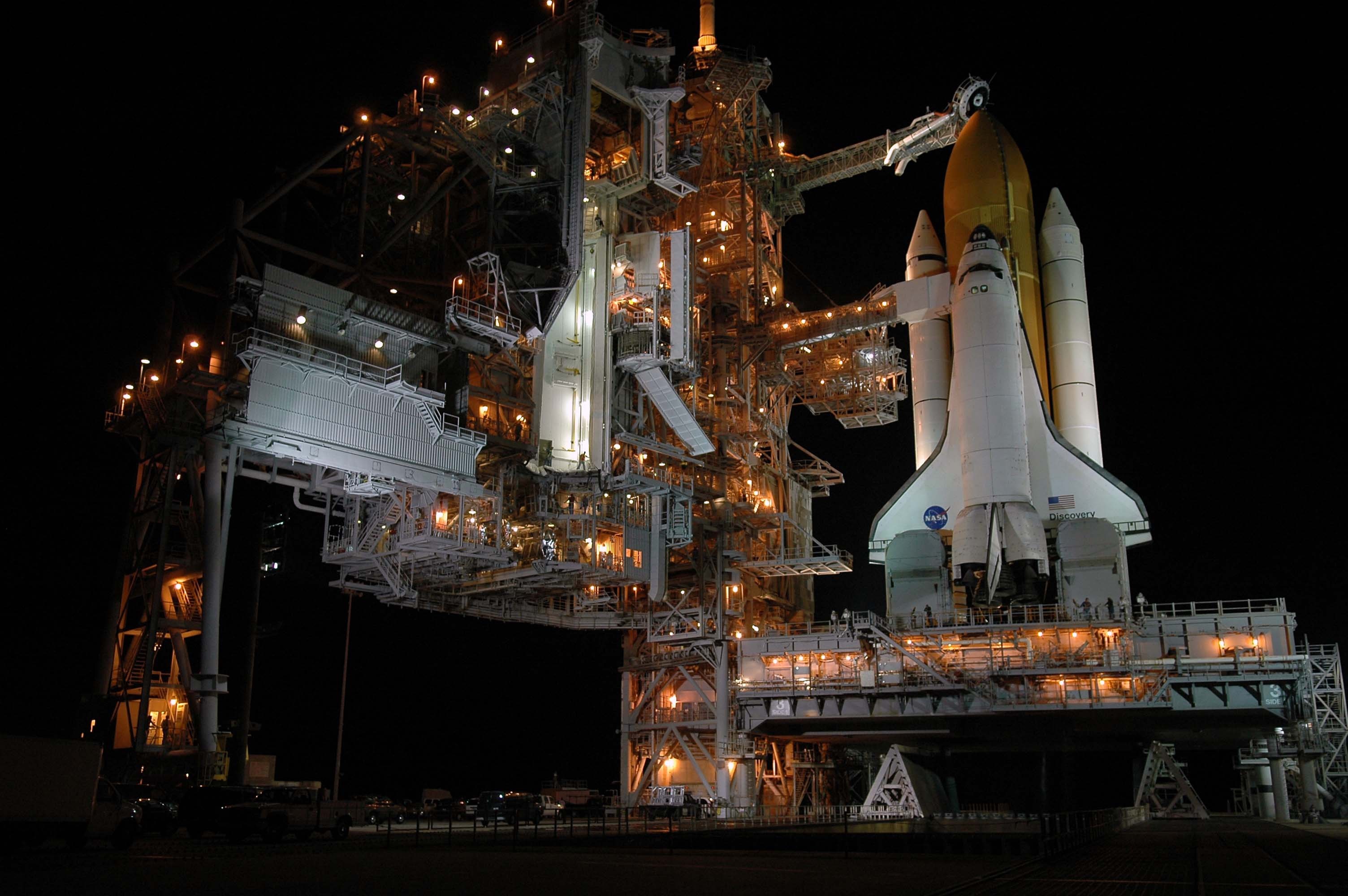
In this article, I am going to talk about some of the renewed attempts to get human boots back on the moon again, focussing on NASA’s Artemis Program, which aims to "land the first woman and first person of colour on the Moon".
There are many reasons for doing this. The driving reason is further exploration of the lunar surface, and indeed, deep space. Although we do have some samples of the lunar surface through the Apollo missions, by sending more astronauts, we can collect further samples, and conduct experiments on the moon. Furthermore, the mission can be used as a trial of living on another celestial body, laying the foundation of colonising other planets (which I talked about in my previous article ☺). We can try creating an outpost on the moon, which is relatively close to Earth, so it is feasible to ship in lots of resources, to see if a sustaining space colony is possible, what challenges we would face, and how to overcome them. Additionally, by having an outpost on the moon, we can lay the groundwork for future missions, perhaps to Mars. This is because it is easier to launch rockets from the Moon, as it has lower gravity, which means less fuel is needed to launch the rocket. Furthermore, the lack of an atmosphere also reduces the air resistance on the rocket when launching from the moon, again reducing the fuel needed (compared to the fuel from Earth).
But the Artemis program is not just 1 launch - it is a series of launches, with each launch seeking to advance the mission. The mission comprises several stages, named Artemis I, II, III, IV, and so on... So far, only Artemis I has been completed - it was a test flight that orbited the moon, but did not have any humans aboard it. It was scheduled to launch in 2016 however was delayed and ended up launching in 2022. Despite the delay, however, the mission was a success. The next launch mission, scheduled for 2026, seeks to launch astronauts on a 10-day flight on the new Orion spaceship. Artemis III (scheduled in 2027 that will aim to put humans back on the moon. This mission will allow humans to explore the South Pole of the moon. There, they will conduct scientific experiments for around a week as they seek to further our understanding of the moon and indeed of Earth and the rest of the solar system as well.
It will be Artemis IV, a much more ambitious project which will try and build the first lunar space station, which will be called Gateway. Gateway will have space for astronauts to live in whilst they work, which will allow for much longer missions to the moon. During the mission, astronauts will activate the space station’s systems and test out the landing system. After testing all of the equipment aboard Gateway, some of the astronauts will descend to the moon in order to perform surface operations (which will be similar to Artemis III). This will include collecting more samples and deploying scientific instruments on the moon’s surface.
However, the Artemis program will not stop there: there are plans for Artemis in place for Artemis V, in which a Lunar Terrain Vehicle (which is a rover that astronauts will be able to drive whilst on the moon) will be transported to the moon and tested all the way to Artemis XI, which will be a year long mission, in which we can gather data on what it would be like to live on the moon for extended periods of time.
In addition to all the scientific discoveries and technological innovations that will happen due to the Artemis program, it also stimulates industry, which will bring economic benefits - NASA will be making use of several private contractors which will be essential for the mission to succeed, and this will bring further investment to the space sector as more companies start to get involved.
Whilst all of these projects are quite exciting, with the next Artemis launch being scheduled in 2026, and Artemis XI in 2036, it is also quite possible that many of these missions get delayed - perhaps even by a few years - as the first one did. However, the programs are still groundbreaking and it will lay the foundations for our species to finally step into the stars.