
What is a satellite
Written by Kaivy ..... 05 December 2024
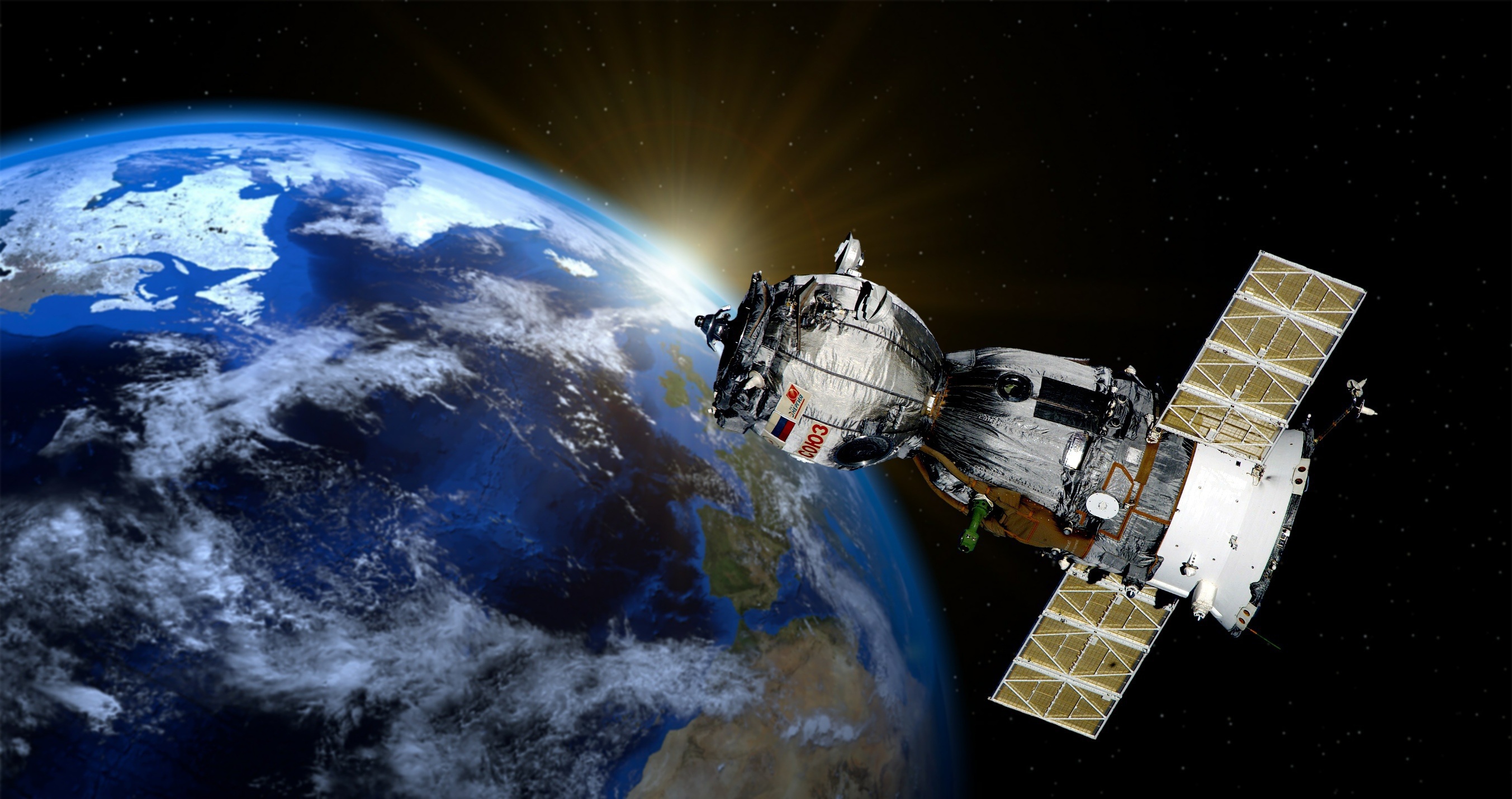
One very important part of our Cansat project is the actual satellite itself - how it's built, what we have to include, etc. As mechanics and design lead, I’ll explore what parts make up a real satellite. The satellite is, simply put, made up of two parts: 1) The payload which accomplishes the primary goal of the mission and 2) The satellite bus, which contains everything that is needed to protect the payload.
The satellite bus
The satellite bus is the main body of the satellite that provides the structure and protects all of the internal components. It normally contains the propulsion, Command and Data Handling (C&DH), Guidance, Navigation, and Control (GNC), and the Thermal Control. It is typically made from lightweight, strong metal alloys (generally high-grade aluminum, titanium, etc) or composite materials, generally carbon fiber composites.
Power systems
Solar Panels - These convert the solar energy into electricity. They are typically deployed once the satellite reaches orbit in order to maximise the exposure to the sun.
Batteries - The batteries are used to store the energy harvested from the sun. These batteries, which are lithium-ion batteries used for their efficiency and energy density, are used when the satellite is in the Earth’s shadow.
Guidance, Navigation, and Control (GNC)
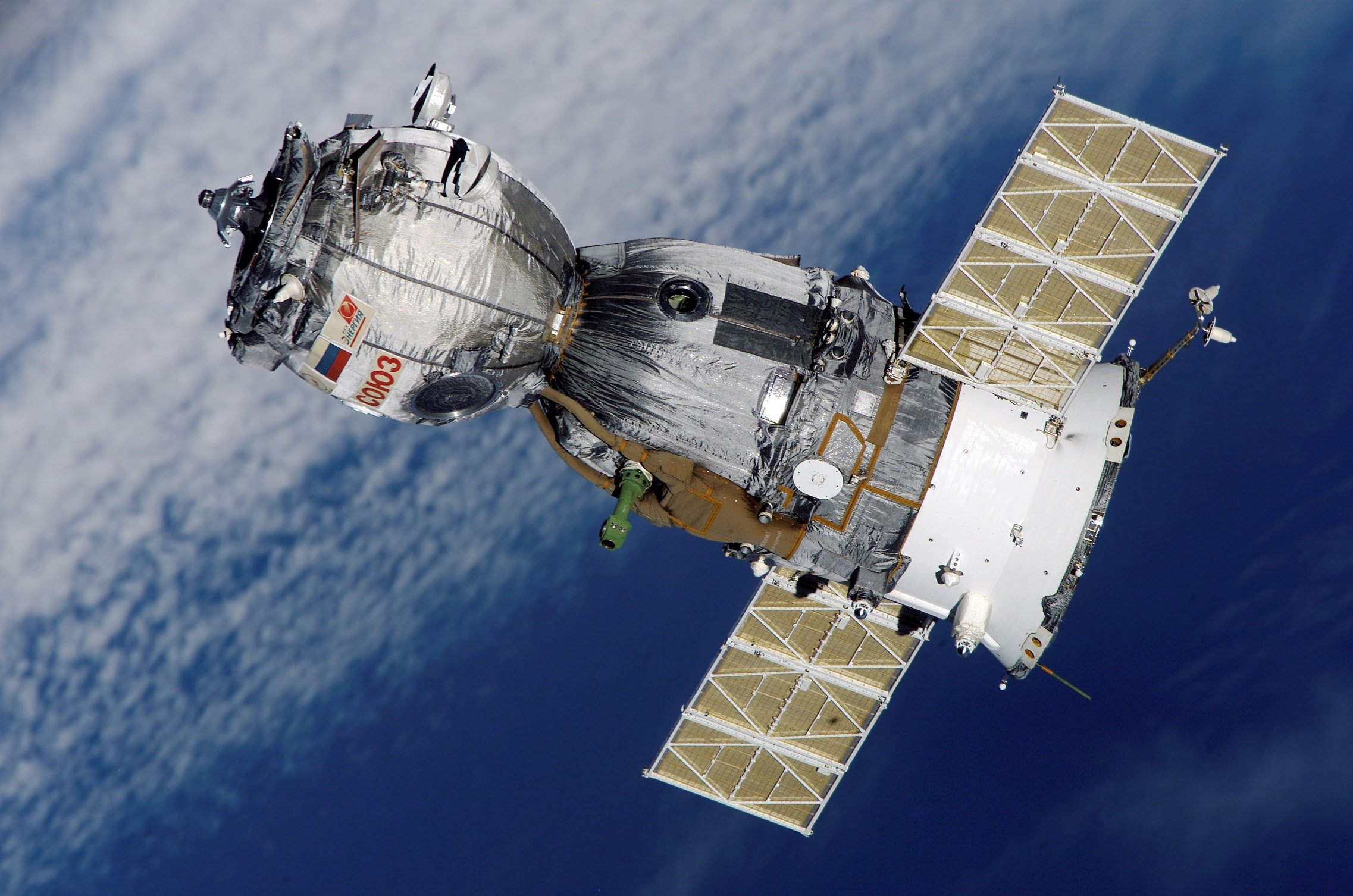 The GNC system includes components that include sensors, control systems and software. The sensors used include star trackers and gyroscopes to determine the satellite’s orientation and position (which is possible using GPS). The control systems ensure that the satellite remains in the correct orientation - after the sensor detects an abnormality in the orientation of the satellite, the control systems adjust this to return it to the ‘normal’ state.
Thermal Control
Thermal management coatings may also be used, applied to various parts of the satellite. These are the passive systems. There are also active systems, which include heaters, and radiators to manage temperatures, especially as in space the temperature can go to 2.7 degrees Kelvin, which can be turned on and off. This is essential to avoid overheating or freezing of components.
Propulsion System
There are two types of thrusters - chemical thrusters, which use chemical reactions to produce thrust, and electric thrusters, which use electricity to accelerate thrust. These can make small, precise adjustments to the satellite's orbit or orientation. The fuel tanks store the propellant needed for the chemical thrusters. This propellant is fed through the feed system to the thrusters.
Command and Data Handling (C&DH)
The central processor - This is the brain of the satellite, which processes and sends data from the antennas and transponders respectively, and performs health checks for the satellite. It also stores this data to be later accessed by the satellite, or to be used to store important data collected.
Redundancy systems - These systems are back ups to use in the event of a failure and automatically revert to back up components if the primary systems fail. It also contains the Telemetry and Telecommunications (TT&C) sub-system.
Antennas and Transponders
Antennas are used for communication with ground stations, and transponders share data between the Earth and the satellite. High frequency antennas are used fir high bandwidth communications, which determines the amount of data that can be transmitted. There are many different types of antennas, such as wire antennas, horn antennas, reflector antennas, array antennas, and dipole antennas, which can be used for different functions and applications and there are similarly many types of antennas, such as bent pipe transponders and regenerative transponders, which include receivers, amplifiers, frequency converter, and modulators/ demodulators ( which merge and take apart two different signals in a way that the information is obtained).